Your wedding photos outlive everything — the playlist, the speeches, the seating-chart drama. Decades from now, the way you looked that day is still hanging on a wall. And yet most grooms plan their hair the same week they confirm the DJ's cheque.
Here's the fix: grooming for a wedding isn't one great haircut. It's a short timeline of unglamorous, easy decisions made early. This is the checklist — built for Guelph grooms, sized so the whole plan fits in your head.
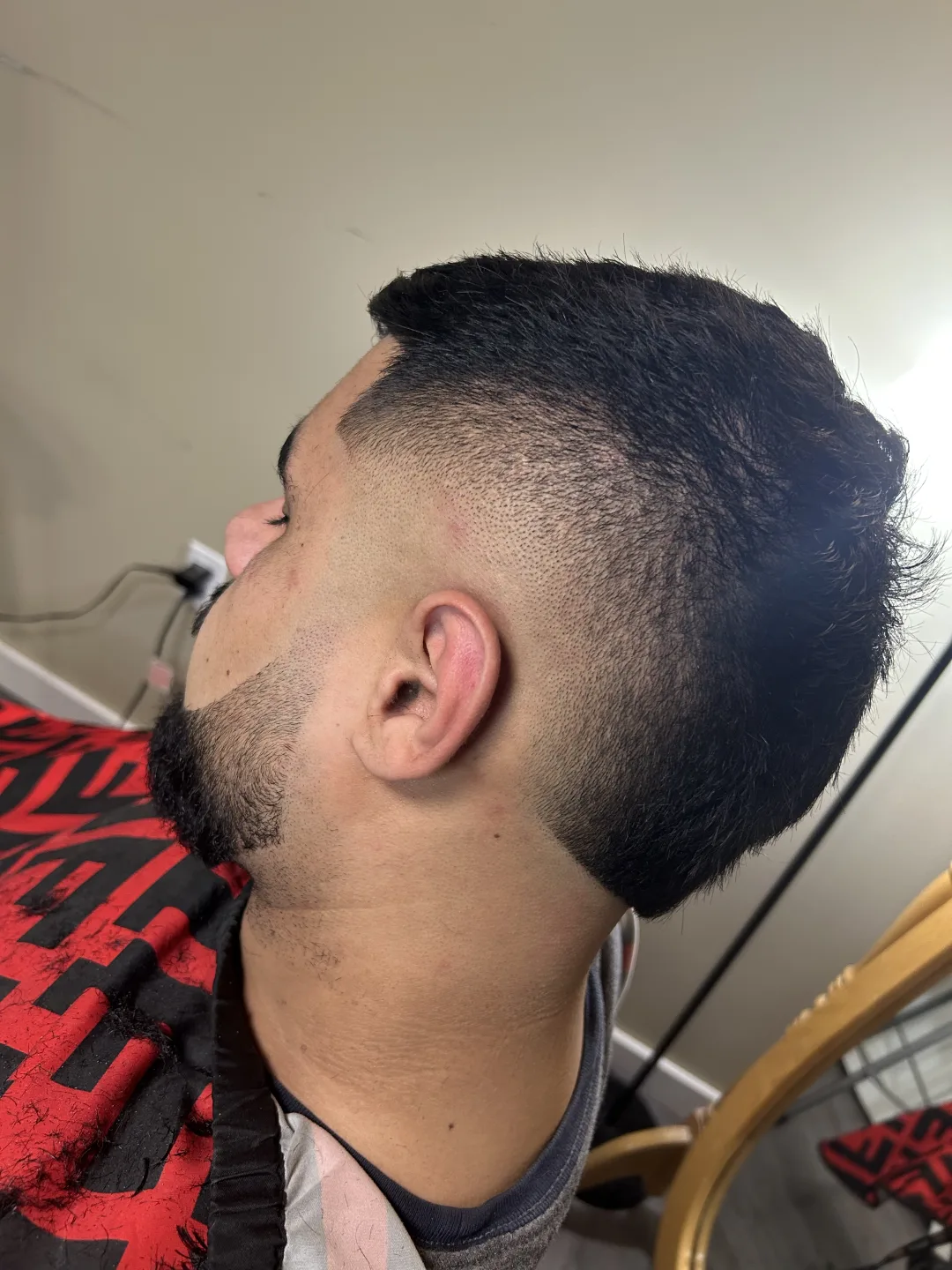
When Should a Groom Start Planning His Grooming?
Eight to twelve weeks out. That sounds early for a haircut — it isn't, because you're not planning a haircut. You're planning a result on a fixed date, and hair only cooperates with lead time.
Three reasons the runway matters:
- You need trial runs. The wedding cut should be the second or third time your barber executes that exact style on you — never the first. Cut one is the draft. Cut two is the refinement. The pre-wedding cut is pure execution.
- Growing takes months, not weeks. If the vision involves more length on top or a fuller beard, week twelve is when that decision still works.
- Good chairs book up. Wedding season is busy for everyone, including barbers — and a one-chair studio has a hard ceiling on slots. Early grooms get the good dates.
If you take one thing from this article: no new experiments inside the final month. Wedding week is for polish, not discovery.
What's the Ideal Grooming Timeline Before the Wedding?
Here's the whole plan, back to front:
- 8–12 weeks out — decide and book. Choose the style with your barber, factoring in your hair type, face shape, and what survives a long day. Book every appointment through the wedding right now, including the final cut.
- 6–8 weeks out — trial cut one. Full dress rehearsal for your hair. Live with it. Note what you'd tweak.
- 3–4 weeks out — trial cut two. Apply the tweaks. This should be the cut you want, verified. If it's right, wedding week is just a repeat.
- 2–4 days out — the final cut. Sharp enough to be crisp, settled enough to look natural. Freshly cut hair and a just-faded hairline soften beautifully over 48–72 hours.
- Morning of — style only. Product, comb, done. Nobody touches clippers on wedding day.
Why never the morning of? Because day-zero cuts can show clipper marks, redness on a fresh skin fade, and zero room to correct anything. The two-to-four-day buffer is your insurance policy.
Should You Get a Hot Towel Shave Before the Wedding?
If you're going clean-shaven at the altar — yes, and it might be the best hour of wedding week. A hot towel shave gets you closer than any morning-of razor pass: hot towels open everything up, the lather and blade work happen in stages, and the finish is smoother than home equipment can reach. It's also thirty-odd minutes where nobody can ask you about centrepieces.
Timing tips:
- Clean-shaven grooms: book it the day before the wedding. You'll be smooth for the ceremony with no risk of same-morning irritation.
- First-timers: do a test shave a few weeks early. Skin reacts differently to a straight-edge shave, and you want to know your face's response before the stakes are real.
- Sensitive skin: flag it when you book — prep and aftercare can be adjusted around it.
Bearded grooms, skip the full shave — your version is next.
Already sold? Skip ahead and book the chair →
How Do You Handle the Beard Before the Big Day?
Same philosophy as the hair: shape early, refine late, no gambles at the end.
Set the shape at six to eight weeks. A proper beard sculpt establishes the lines — cheek, neck, density, how it frames your jaw. From there, every session is maintenance of a known plan instead of a fresh negotiation.
Refine at the final cut. Your two-to-four-days-out appointment should cover hair and beard in one sitting, so the fade, the beard lines, and the transition between them are all synced for the photos.
Between appointments, protect the work. Daily brushing, beard oil, and disciplined hands — no DIY "just evening it up" the week of the wedding. That's how cheek lines migrate and disasters start. Our beard care routine covers the between-visit playbook in full.
One more note: if you're growing fuller for the wedding, start at week twelve, not week four. Beards don't do deadlines.
What About the Groomsmen?
You can't force a lineup of grown men to get haircuts — but you can make it easy, and the photos will thank you.
Set the standard early. A one-line message three weeks out does it: fresh cut sometime in wedding week, whatever style is yours. Nobody needs matching fades; everybody needs to look deliberate.
Stagger the bookings. Have the crew book their own slots across the final week rather than gambling on walk-ins the day before. A groomsman who "ran out of time" is a groomsman in every photo.
The best man gets the same timeline as you. He's beside you in the closest shots — two to four days out, same rule.
Some grooms make a ritual of it: a couple of the crew booking back-to-back slots and grabbing food after. Cheaper than another stag event, and everyone shows up to the rehearsal looking like they meant it.
Final Week: What's the Play?
Everything is already booked, so wedding week is execution mode:
- Final cut, 2–4 days out. Hair plus beard, one appointment, already in the calendar since week twelve.
- No new products. Wedding morning uses the same product you've styled with for weeks. New formulas on new skin two days before photos is a rookie mistake.
- Basics win. Water, sleep, easy on the salt and the last-hurrah drinks — puffiness photographs, and no barber can fade it out.
- Morning of: style and go. Five minutes with product you trust, then get on with the best day of your life.
The whole system is front-loaded on purpose — every decision happens weeks out so wedding week has none left. If the plan starts with finding the right chair, book the first cut and work backwards from your date. Twelve weeks goes fast.