The textured crop earned its spot. Short enough to survive the gym, sharp enough for the office, and it works on straight, wavy, and curly hair alike. It's the cut people ask for when they want to look put together without a twenty-minute morning routine.
But low-maintenance isn't no-maintenance. A crop that looked razor-sharp in the chair can look shapeless three weeks later if you style it wrong or stretch the trim schedule too far. Here's how to keep it dialled in from one appointment to the next.
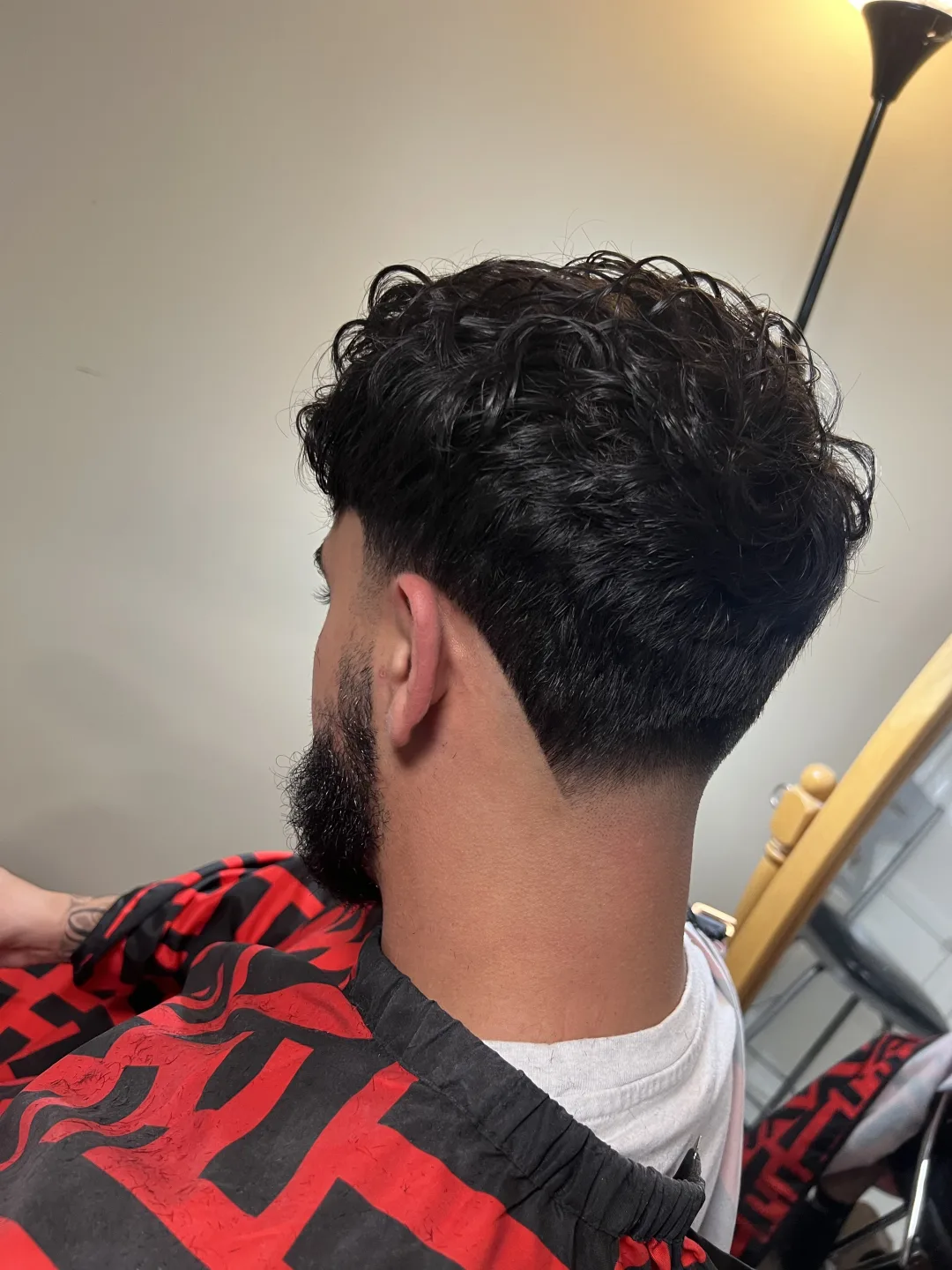
What makes a textured crop work?
Three parts: a cropped, choppy top with movement cut into it, a fringe sitting clean across the forehead, and tight sides — usually a taper or fade. The texture is the engine. Your barber cuts the top so it breaks up and separates on its own, which is why a good crop styles itself with almost no product. The fringe frames the face. The fade sharpens the whole silhouette.
That structure is also why the crop ages the way it does. The top can grow for a week or two without anyone noticing. The fade can't. Knowing which part fails first is the whole secret to maintaining this cut well.
How often should you get a textured crop cut?
Every two to four weeks, depending on how tight you run the sides.
- Skin fade sides: two to three weeks. Skin grows back fast, and the contrast that makes the cut pop fades with it.
- Taper or low fade: three to four weeks. The grow-out is softer and far more forgiving.
Want to stretch the schedule? Ask for the crop over a taper instead of a full skin fade — same shape, slower decay. And when the sides go fuzzy before the top needs work, a quick cleanup resets the cut without a full recut. Our fade maintenance guide covers that timing in detail.
What's the daily styling routine?
Ninety seconds, start to finish:
- Start with damp hair — fresh out of the shower, or hit it with a spray bottle. Damp, not soaked.
- Take a small amount of matte clay or paste. Less than you think. Warm it between your palms until it disappears.
- Work it through the top from back to front, finishing with a push forward into the fringe.
- Rough-dry with your hands or a quick blast of cool air. No comb, no brush — the controlled mess is the style.
The most common mistake is too much product. Overload a crop and it clumps, separates in chunks, and falls flat by noon. If your hair still looks wet an hour after styling, halve the amount tomorrow. The second most common mistake is fussing with it through the day — set it once and trust it.
Already sold? Skip ahead and book the chair →
Clay, paste, or pomade — what should you use?
Matte clay is the crop's best friend. It brings grip and thickness without shine, which keeps the texture looking natural instead of styled. Paste is the runner-up — slightly more flexible, easier to rework mid-day, and a better fit if your hair runs fine.
Skip the shiny pomades. Shine visually flattens texture, and the entire point of this cut is texture you can see across the room. For the full breakdown of what each product does, how they differ, and which hair types they suit, read pomade vs clay vs paste.
How do you keep the fringe from going flat?
The fringe is the first thing people see and the first part to misbehave. Three fixes:
- Style it damp. A dry fringe with product on it looks pasted down. Damp hair takes direction and holds it all day.
- Push forward, then lift. After the product's in, nudge the fringe up slightly with your fingertips so it sits with a bit of life instead of lying dead flat on the forehead.
- Ask for texture in the fringe itself. A point-cut, slightly broken-up fringe sits with movement built in. A blunt straight line looks great fresh but demands more daily effort as it grows.
And when the fringe starts brushing your eyebrows between appointments, that's your signal to book — the crop's proportions depend on that line staying where your barber put it.
What happens when it grows out?
Good news: a crop grows out gracefully if you steer it. Around week four or five the top gets heavy and the texture starts collapsing under its own weight. You've got two moves. Recut it and stay in crop territory, or use the length as a runway to something new — a longer textured style, a curly top if you've got the pattern for it, or a looser crop with more flow.
Either way, make the call in the chair, not in the bathroom mirror. A signature cut is the right booking when you're reshaping rather than just tightening up — and if you're anywhere near Guelph and unsure what's next, bring the question with you. Book the chair and let's figure it out properly.